Category: Uncategorized

The Benefits of Hemp Candles 

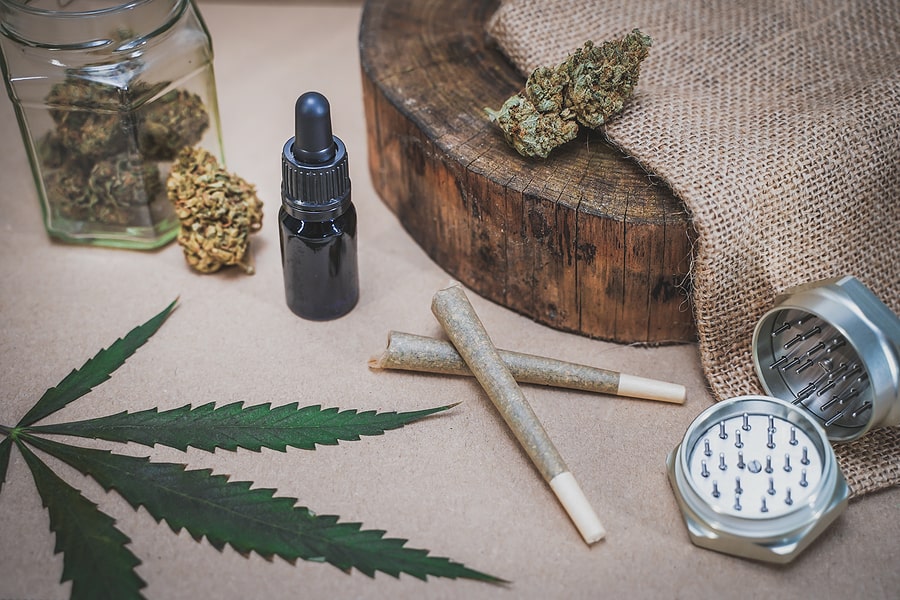
Hemp is something that has a lot of benefits, including paper, making it flower that’s smokable, and is even considered a biofuel. There are candles that you can get, and it offers a slow and very steady burn that’s much longer than just wax wicks. This is great for relaxing, and if you’re going to be smoking cannabis, this can offer you a much more effective experience. Not just that though, it’s also got terpenes and cannabinoids, which are great for a variety of reasons, including aromatherapy. 

Aromatherapy with Hemp candles 

Aromatherapy is something that’s quite old, and it’s something that’s beneficial because of all of the constituents of the plant, such as terpenes that you get to experience when you inhale the plant. 

You already do engage in aromatherapy whenever you vape or smoke cannabis, or other extracts. Pinene and limonene two popular terpenes, actually do impact the mood, performance, and your cognitive behaviors. While most people use essential oils, hemp candles are great if you want to fill rooms with molecules that are aromatic, and they do offer the benefit of truly relaxing and also offering the hottest glow to a room, making it nice and warm as well. 

Why hemp candles 

You may wonder why you should add hemp candles to your experience. 

Well, there are a few reasons for this. 

First and foremost, it’s got an orange glow that’s soft, different from the harsh blue light that you get from your electronics. It’s great for taking your mind off things and forgetting the world around you. Great for reflecting and meditation, and also is good to figure out your feelings too. 

It also saves you a lot of money too. If you’re already using candles, you’ll notice that hemp candles last a whole lot longer, so if you’re already using a lot of candles, you’ll save yourself some money. 

It again, is great for aromatherapy, as you can mix the smells together. You can also burn this with different essential oils including those with myrcene and pinene that help you really make a unique flavorful combination. 
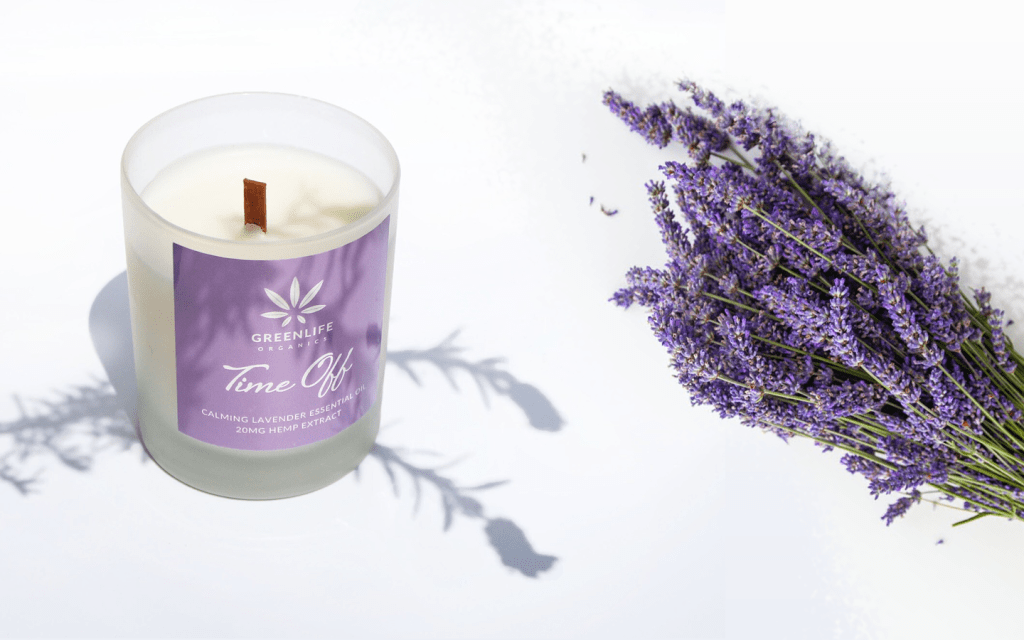
Finally, you can add to this even more by incorporating cannabinoids. You can add CBD, CBG, and also CBN, in order to take this to the next level. You can inhale a little bit of this, or you can create a type of fusion of CBD with candles too! 

Using these 

Using them is pretty simple.  you basically start with a tiny wick, snipping off any excess. You then want to use a lighter or a long match, angle it so that you don’t burn yourself.  You can then wait a few moments before you see the wick catching. You can then let it burn for a bit, until the wax then gets to the candle edge.  This is something that burns in a nice, even manner, and you can burn this evenly without the wick potentially caving in as well. 
Whenever you see the wick cooled off, or blown out when you’re done with this, you can readjust, cut this as needed, and then prepare it for the future session. 

Cannabis is great for this, since you can actually light up your blunts with one of these. This is actually better than regular lighters, as it’s usually greener, healthier, and it definitely is something that’ll take the experience to the next level. So for those interested, this is the perfect type of combination that will really make it shine, and helps you get the best experience possible not just for your own personal enjoyment, but cannabis consumption too! 

All about Dronabinol

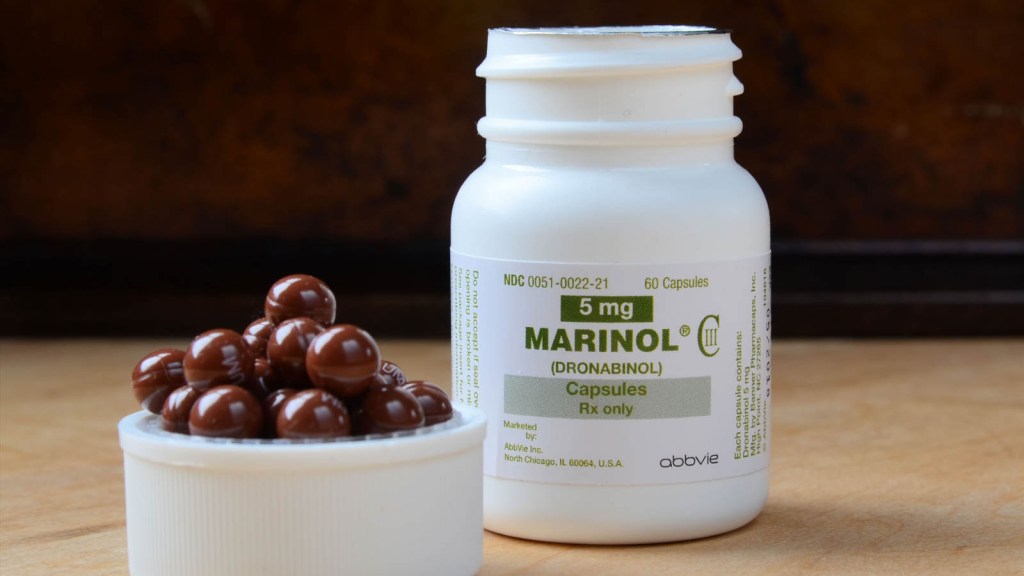
Dronabinol is a cannabinoid that’s synthetic and is used as a medication to help with nausea and weight loss symptoms in those with cancer along with HIV treatments. It’s basically synthetic THC that doesn’t contain anything else. It also is known as Marinol as well, which is a cannabinoid that’s synthetic, and it works to control vomiting and nausea. Being synthetic, it just contains one compound and that’s THC, something that’s in cannabinoids.  Dronabinol is pretty simple, since it does work alongside the same THC receptors that are within the body and what the plant uses, and it offers a way to curb nausea, to stimulate your appetite. 

This treats cachexia which is a wasting disease, but also helps those with AIDS and HIV.  It also is used to help with appetite loss and nausea in chemotherapy patients. It’s the same as THC, and it’s something that’s more potent and synthetic, and also is an alternative to nabilone for those who are interested in using something stronger. 

Dronabinol or THC? 

When you’re looking to see if you should use one or the other, it’s important to note that they’re not the exact same, even though they both contain THC. 

Dronabinol is something that’s synthetic and approved by the FDA for the treating of some people’s conditions.  Regular THC is a naturally-occurring compound in cannabis and is only availible to those who are in places where it’s legal.  Dronabinol is something that’s schedule III drug types, whereas in contrast, THC is a schedule I substance, similar to cocaine. 

Dronabinol has a formula that works similar to how THC does on the body. but the generic dronabinol is one that’s similar to THC cannabinoids, but in contrast, THC does interact with the other cannabinoids, and then constituents within the plant itself, and from there, all of this working together makes an entourage effect. 

Medical cannabis in contrast to this, doesn’t just contain THC, but also contains other types of phytic cannabinoids and terpenes as well, so you’re getting more than just THC. 

How it helps 

Dronabinol is only used for the two conditions above, and the nausea does have to be severe for them to prescribe it. And there are some promising results for a few of the major conditions 

For example, it helps immensely with sleep apnea.  It actually was found in a 2018 study that it does reduce the symptoms of this, improving the awakens in a trail which was randomized. It showed that it wsa better for those who took it in terms of sleep outcomes. 

Pain is another thing. Some research has found that dronabinol is a really good way to relieve pai post-surgery, pain that isn’t cancer, or neuropathy.  Only in noncancer pain that was chronic did it only show modest results compared to the placebos used. It was found however that there were benefits which are promising for those are looking to treat lower-back pain and MS in those who have it, especially compared to vaped cannabis. 

As for MS, it was found that it could be useful for this, and while the exact ways to relieve this pain are not fully resolved, it was found that there is a chance that long-term pain can be relieved like this. It also was found that “Sativex,” another cannabis prescription, can help. 

Finally, it’s a good one to use when treating Alzheimer’s disease in some cases, showing some promising results with it. It could treat symptoms of agitation associated with this, and also, may helps with the pastimes that come with Parkinson’s as well for patients. 

Marijuana Products – What Medical Users Need to Know

Marijuana is quickly becoming more and more popular in the United States, especially in the medical field. Did you know that medical marijuana offers treatment for a variety of physical and mental conditions? That explains why so many states have begun to utilize medical marijuana programs that take some pressure off of state healthcare and gives citizens more rights to choose how to deal with their illness. I hope that, in the next decade or so, the days of opioids and addiction will be behind us as a society. Medical marijuana truly has a place in the medical sciences, and I firmly believe that we will continue to study and learn more about the benefits that it has to offer. With all of that being said, I wanted to take this opportunity to talk about some of the options that are available to you, should you choose to start using medical marijuana.

If you live in a state that has a medical marijuana program, it is important to check the list of qualifying conditions in order to see if you qualify for your card. If you do, this article will serve as a brief introduction into the world of cannabis and what you need to know. There are so many different types of marijuana products and strains to choose from nowadays. If you are worried that you will have to just smoke or use oils for medical purposes, you should know that you have more options than that. So without further ado, let’s talk about some cannabis products and strains.

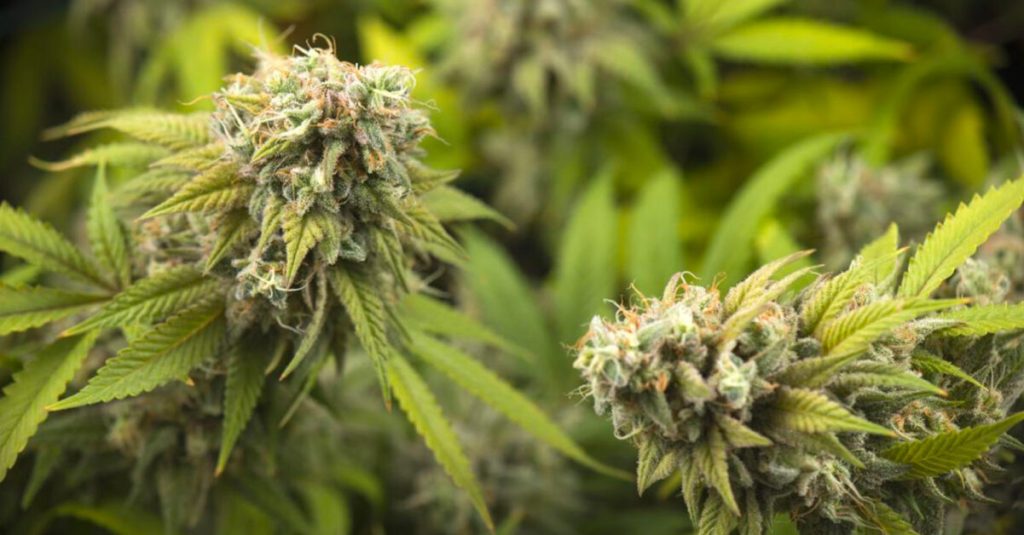
The first product that medical marijuana users are known to use is cannabis flower. Whole flower cannabis is weed in its most basic form – straight from the plant to the dispensary, with the exception of some flowers I guess. Either way, smoking weed is one of the most popular and effective methods that medical patients participate in regularly. Most cannabis flowers are smoked through things like joints, pipes, bongs, or in some cases, dry herb vaporizers. In any case, smoking cannabis offers very quick relief from certain medical conditions or chronic pain, and most people describe it as the most “natural” way of consuming marijuana. You can also start growing cannabis plants in your own home to save some money at the dispensary each month, since many states allow 6 to 12 cannabis plants to be grown at home anyways. Again, while smoking weed is extremely popular, it is not the only form of cannabis ingestion. Smoking anything can be a risk factor for patients with certain underlying conditions, and some studies suggest that smoking weed can cause damage to one’s lungs in the long run. 

If you are someone that doesn’t mind smoking but does not want to use whole flower cannabis, you can always try cannabis oils and concentrates. Many medical marijuana patients, especially those with very severe conditions, rely on potent oils and concentrates to get the job done. These oils can be inhaled through a vaporizer, similar to how an electronic cigarette is used. They come in a variety of flavors and strains, meaning that medical patients have a lot of choices when it comes to the type of weed they want to use. Using cannabis vapes are not nearly as smelly as smoking whole flower weed, and you also do not have to smoke as much, since most concentrates are highly potent in THC and only require 2 or 3 hits at the most. 

I hope that this blog post gave you some insight into the medical marijuana industry and that you have learned a lot today.

PTSD Now Qualifies for Medical Marijuana in Texas

Texas is one of those troublesome states when it comes to policies and laws regarding marijuana. Honestly, I can think of like 10 reasons to never want to live in Texas, but their views on marijuana is one of the biggest ones in my opinion. Depending on where you live in the United States, you likely have access to medical marijuana programs that allow you to use a certain amount of cannabis per month, depending on the type of condition you have. Certain states are more lenient with the type and severity of conditions that qualify for treatment with medical marijuana, while other states (looking at you Texas) are much more restrictive with which types of conditions actually qualify for a medical marijuana card.

It can be hard for people that do not live in a state with access to medical marijuana, especially if they have to rely on other prescription medications and opioids that can be harmful to their health in the long run. However, recently, there has been some adjustment in the qualifying conditions for the state o fTexas. As I stated earlier, Texas is extremely strict on what types of conditions qualify for the use of cannabis. Normally, medical marijuana treatment is reserved for patients with severe, life-ending conditions that are not able to function on a regular basis. Even then, the types of cannabis products and strains made available to these patients are restricted to extremely small amounts of THC. The whole thing is really sad honestly. However, the good news is that, for residents in Texas with PTSD, you may be able to get your medical marijuana card to treat such conditions. This article will help inform you about what you need to know about these policy changes and how it affects residents with PTSD in the state of Texas.

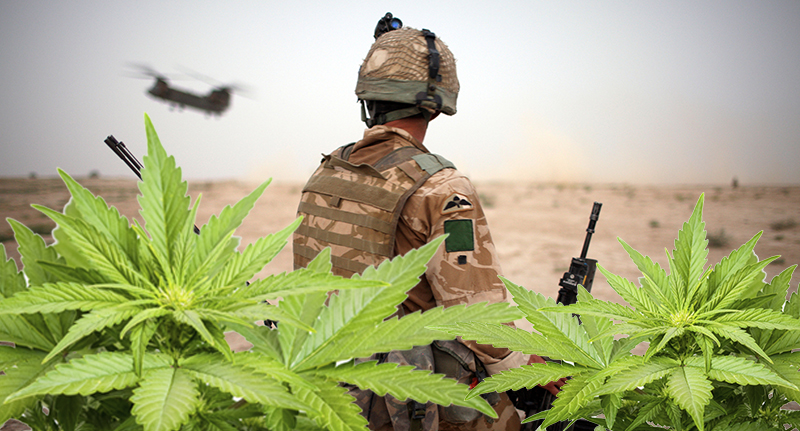
If anybody deserves the privilege of using medical marijuana, it is our United States veterans. There are actually a lot of veterans living in Texas that are diagnosed with PTSD. According to a study done, roughly 23% of veterans with PTSD in the state of Texas are considered at risk of hurting themselves and thinking about suicide. Many of the symptoms associated with PTSD can be extremely debilitating and make normal, everyday taska a challenge. Some of the common symptoms of PTSD include night sweats, flashbacks, insomnia, loss of memory, mood disorders, depression and anxiety, hypervigilance, and increased risk for self harm. I think that allowing PTSD to be a qualifying health condition for use of medical marijuana is a great step in the right direction for marijuana policies in the state of Texas.

Afterall, medical marijuana has shown great promise for treating patients with other mental health disorders – depression, anxiety, and other mental disorders are commonly treated with medical marijuana, and it provides a great alternative to using other synthetic medications that doctors prescribe. Cannabis can be great for calming nerves, promoting relaxation, euphoria, and overall lowering some of the symptoms that are commonly found in patients with PTSD. However, I think that it is important for doctors to be very careful when prescribing medical marijuana to patients with PTSD. Since marijuana has been known to also increase levels of anxiety, stress, and paranoia, it is important to keep a watchful eye on veterans that are engaging in marijuana usage for the first time. Sativa strains are generally more prone to cause increased anxiety levels, so I think that veterans should start off by using small doses of an indica dominant strain until they feel comfortable enough to branch out. Indica is especially effective for individuals that are having trouble sleeping at night.

PTSD and Medical Cannabis 

We hear a lot about the instances of PTSD that people go through. While it can be described as shell shock, combat fatigue, and war neurosis, it actually is more than just that. 

This is something that a lot of soldiers dealt with in a lot of cases, but it wasn’t till 1980 that this was first officially recognized as a part of the DSM-III, and it was something that a lot of people experienced, even when they weren’t seeing combat. But what is PTSD, and why is cannabis a way for you to get the help that you need? How can it help you with better understanding this complex disease? Read on to find out? 

What PTSD Is 

PTSD is considered a mental health issue that some people struggle with. 

It can come about as a result of combat, or an accident, but also can happen after you’ve suffered a natural disaster, abuse, or even assault. Unexpected and sudden deaths of loved ones also can cause a possible surge of this. 

The symptoms do vary in a lot of cases, as does severity of this condition. 

Some of the symptoms a person who has PTSD can include: 

  • Anxiety 
  • Nightmares or night terrors 
  • Insomnia, 
  • Flashbacks to the trauma which are vivid 
  • Depression 
  • Intrusive thoughts 
  • Hypervigilance 

This can sometimes be quite mild, or a whole lot more sever, depending on the situation. 

How Cannabis Helps 

A lot of veterans, especially those who have seen combat, actually use cannabis. An analysis from a board-certified physician named Dr. Matthew Brimberry analyzed whether or not medical cannabis can be beneficial for patients who have PTSD. They sampled a group that took gummies, tinctures, and lozenges, at different doses based on what was prescribed. 

It reported from this that a lot of patients started to feel a whole lot more relief since using cannabis to manage their PTSD symptoms. Now along with this, they also did look at their exit surveys through the PCL-5 questionnaires. 

This is a reporting measure that looks at 20 symptoms that are related to PTSD and this is based on what the DSM-5 has within it.  The assessment also noted as well that the patients would tolerate the medicine quite well, and since then, not a single patient did discontinue their treatment, nor did they experience any side effects which weren’t wanted. 

They were able to reduce the PTSD conditions by 47% in a lot of cases, and this actually was done in just about 90 days, so it was quick acting as well. 

There were a lot of good things that came from this too, and almost all of the users noticed that they didn’t have as severe of symptoms, and about 86% of the people who were in this did mention that they had a large reduction of symptoms as a result. 

By the end of this too, about 71% of people did face remission from this, and their PCL scores were less than 33, while still taking medical cannabis to help with the unneeded symptoms that came about because of this. 

So as we can see, there is a lot of benefit that comes with medical cannabis, and it does work for the treatment of PTSD and other chronic conditions. 

If you or a loved one are suffering from PTSD, get the help that you need today by getting a medical cannabis prescription, and see for yourself just what this can help you with, to help treat the symptoms as they come about, before they get worse. 

Cannabis and Glaucoma

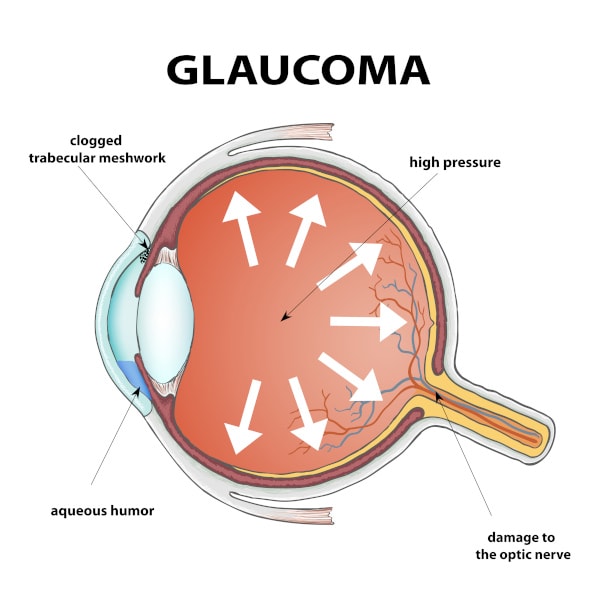
For a lot of people, glaucoma makes life very hard. Glaucoma is a type of eye condition that causes  blindness, and vision loss. The cause of this is not known, and there are no early warnings to heed, and no cure or way to treat this really. There are however, new ways to approach this, and ways to make the pain a little bit easier, and cannabis has become a big way to treat this condition, as it can help with the intraocular pain that people with glaucoma deal with on a daily basis.

The main symptom that people see is eye fluid issues, and damage to the optic nerve. Those who have a low eye pressure, or normal, this may have a symptom, and some may look into how to protect this optic nerve from damage. Some of the symptoms include eye pain, vision that’s blurred a type of tunnel vision, blind spots, nausea, headaches, vomiting, and even halos near lights, and eyes that are cloudy. You may also be sensitive towards light and may have eyes that are larger than normal.

Types of Glaucoma

Glaucoma comes in different types. The most common is open angle glaucoma, and this is usually due to fluid buildup, and this is usually in the aqueous humor, which is a humor in the eye, and that causes the fluid to drain. When there is too much, it causes eye pressure concerns. There is also normal tension, and this is one that’s a subset of open angle, and this is usually where the eye pressure is normal, but for those who have lower blood pressure, heart conditions, or a genetic history of this, you might suffer from this.

There is also angle closure glaucoma, and this is something that’s actually a major emergency. It happens due to the iris bulging forward, restricting, or even blocking this drainage. It then causes the IOP to increase, and then, it’s something that can cause pain. The outer parts of the iris do drain out the fluid, and due to the rapid fluid buildup, it causes eye pressure to increase, and it can cause blindness in days.

There is also congenital glaucoma, which is rare, and the symptoms are pretty easy for you to view. The eyes are much larger, cloudy, and there is a light sensitivity. This usually involves surgery to prevent total vision loss for the rest of your life.

How cannabis Helps 

Cannabis has some promising benefits for those who have glaucoma, as it can help with reducing the IOP in certain people after a few hours, and it peaks around two or so hours. Once these effects did wear off, the IOP did go back to normal. While not a good and effective permanent treatment, it can help with making it better for you, and more manageable.

There are many different ways to take cannabis, so if you want longer time and relief, this can offer some benefits. There is also a chance that due to the antioxidant effects within this, you’ll be able to possibly reduce further damage to the optic nerve. There is also another study that also says that cannabis does target the optic nerve, reducing the IOP damage as well.

Overall, while it’s not s cure, and a means to permanently make it go away, it does have some neuroprotectant, anti-inflammatory, and other means, and there is a chance that it can reduce your optic nerve and other further progression of this. However, because there isn’t a ton of research on this, it’s not a cure, but a possible treatment down the line.

CBD and the pain relationship 

Pain is super complex based on the experiences of individuals. Our biology, the environment we’re in, and experiences of the past do involve and influence the perception that we have to pain as well, and sometimes, it’s not that easy to treat. With chronic pain and the management also being a controversy, since opioid pain and medications can be detrimental, one way to fix this is another alternative. CBD and cannabis are those which are currently involved to fight the pain receptors. 

Cannabis and Using it for Pain 

There is constant legal pressure within the US and Europe to accept cannabis as a way to treat pain. THC and CBD are definitely two of the main compounds, with THC receiving most of the focus, but this is indeed changing. 

CBD and pain are constantly changing, and there are so many studies that are done to understand the efficacy of this, with most of the studies so far being performed on different animal models and their pain. most of this is centered around your endocannabinoid receptors. 

These are of course the receptors that humans and mammals all have, and they consist of different receptors that do interact with those cannabinoids within the body. This has so many different effects and profiles, all of which are a part of the ECS. 

With the endocannabinoid system being more popular than ever before, and humans and mammals utilizing this within the body, and over 100 different cannabinoids with different effects and profiles, all of these do interact with one another. Metabolism, mood, appetite, pain and anxiety, all of these are a result of the endocannabinoid system. 

So can CBD help 

While CBD is not psychotropic, it does work with the neurotransmitters of thew body. in a study done in 2015 examining the way CBD can influence your ECS through increasing the anandamide levels, this works to reduce pain, and improves you mood. 

Then, there was a study which was published in May of 2019 that also examined the relationship that CBD and THC had with chronic pain. in this study, it looked at how tolerated the safety of a mouth spray which had cannabinoids would be, and they were add-ons to natural products for patients who had severe pain that was chronic. 

Studies on This 

It was found that this is one of the most effective treatments for both mental and physical health. One study involving inflammation looked at the impact that oxidative stress and inflammation had via the mechanisms of the ECS, and while it was inconclusive, it does set up for more in-depth and interesting research from this. 

Arthritis is another. With over 60 million adults suffering from this, and over 100 different conditions and effects, it makes sense that this is something that does offer varieties of motion. In a study that was done in 2016, they gave the rat some arthritis medications and CBD, and they looked at this. They didn’t see a ton of changes, but it could help. 

Finally, there is neuropathy, which includes a lot of sensitivity, pins and needles, and in some cases, excruciating pain. in a review from 2018, it looked at the potential harm that THC and CBD had when it came to pain, and it found that there were people who used this, and talked about the effects of cannabis, especially on certain problems. 

So there are studies, and while it does help, there isn’t anything super conclusive yet, so definitely keep that in mind if you decide to use, and also factor that in too when treating various pain.